1. Assess and make the area safe
The crew looks at what is on the property, keeps people and pets away and puts on protective gear before touching anything.
Lancaster, SC · Lancaster County
Used needles, bloody bandages or a full sharps box can leave a property owner unsure what to do next. In Lancaster, call (877) 812-4220 and describe what you have. Pickup, hauling and disposal can all be handled for you.
If anyone is in danger, call 911 first. For a suicide crisis, call or text 988.
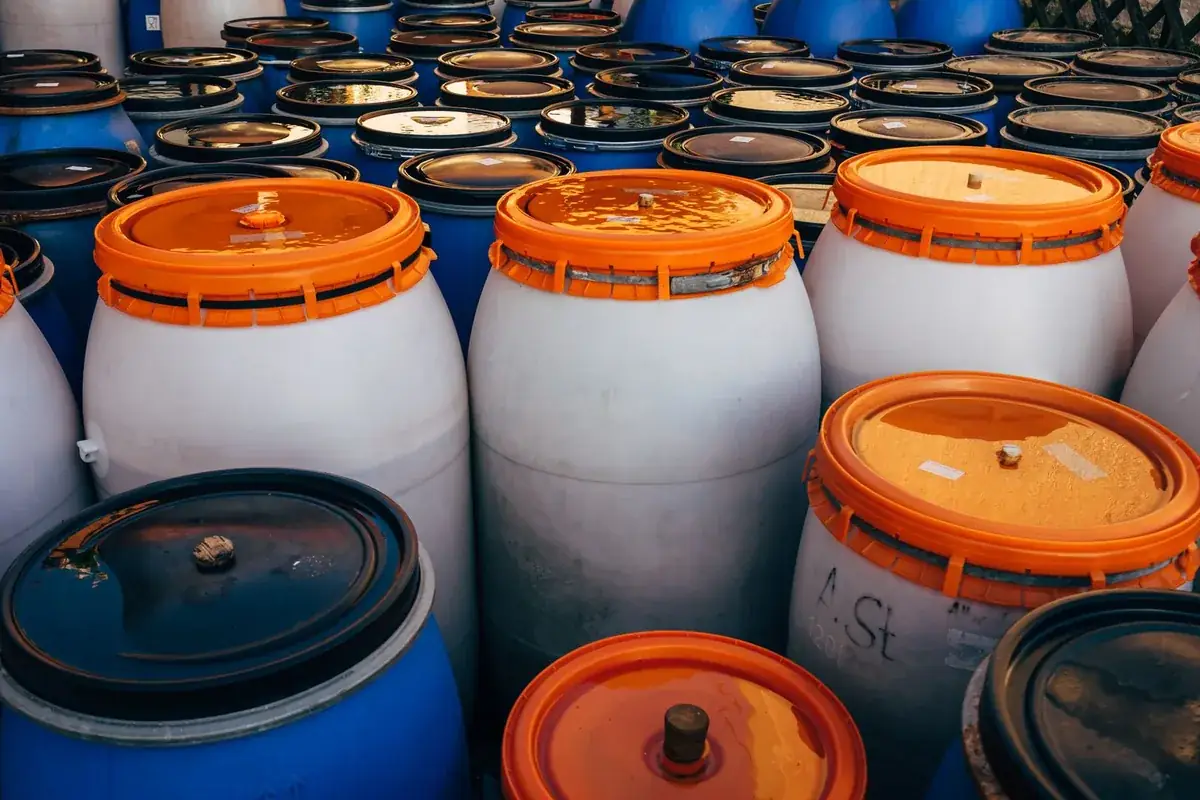
A biohazard pickup service takes contaminated waste off a property and moves it to a proper disposal route. The work usually covers packing, labeling, loading and a record of what was taken.
If you are a landlord or property manager in Lancaster or Lancaster County and find soiled medical supplies in a unit, call Lancaster Biohazard Cleanup Help. Crews remove the waste, clean the area and can give you the records you or an insurer may ask for.
When many seniors live alone, as in Lancaster where it is about 40%, used needles and dressings can be left behind with nobody to remove them. Having medical waste on a property raises the chance of a stick or splash. Musc Health Lancaster Medical Center, about 3 miles from Lancaster, is where many people go for care.
The work often covers:
The crew looks at what is on the property, keeps people and pets away and puts on protective gear before touching anything.
Sharps go into puncture-resistant containers. Soaked items are bagged, sealed and labeled so nothing leaks during transport.
The waste is hauled for treatment instead of landfill trash. The team can explain each step of the route.
Floors, shelves or drawers that held the waste are disinfected with EPA-registered products, and any odor is addressed.
The cost of medical waste removal in Lancaster, SC depends on the amount of material, how it is packed and how it is hauled.
One-time pickups and repeat schedules are priced differently. A clinic with regular sharps containers may set up a routine instead of paying per call.
| Type of job | Typical range |
|---|---|
| Regulated medical waste | $0.30 - $0.80 per pound |
| Small physician practice | $75 - $200 per month |
| Medical waste disposal | $2 - $20 per pound |
| Dental office | $50 - $175 per month |
Estimates only, not a quote. Sources: MedPro Disposal, Fixr. Price drivers include weight of waste, type of waste, how often pickup happens, container and transport fees. Call (877) 812-4220 to talk through the job.
Sealed containers are taken to a facility that treats regulated medical waste, which makes it safe for final disposal. Ask the team how its waste is hauled and disposed of. A disposal record can help when an insurer or landlord asks, so request one when you need it.
They are germs that spread through blood and some other body fluids. Hepatitis B, hepatitis C and HIV are examples. Workers who may come into contact with them are covered by the OSHA Bloodborne Pathogens Standard, 29 CFR 1910.1030.
Some pharmacies, hospitals and local programs accept small household sharps containers, and some do not. Call ahead and ask. Programs differ by city and county, and the local health department can point to the right place.
Medicine is usually kept apart from medical waste. A pharmacy, a take-back program or the local health department can say what applies where you live. A cleanup team can tell you whether it takes medicine or only sharps and clinical waste.
No. This page explains the process of medical waste removal. It is not medical, legal or insurance advice. For exposure or symptoms, contact a doctor or Poison Control, and for rules in your area, ask the local health department.
Sometimes. Some homeowners and renters policies cover cleanup after a covered event, and some do not. Call your insurance company before work starts, take photos if you can, and keep every receipt. Check your policy rather than assuming it will pay.
Tell the team what the waste is and where it is, and it will explain the next step.
Call (877) 812-4220